Dynamics of crowded visitor flows in Valencia
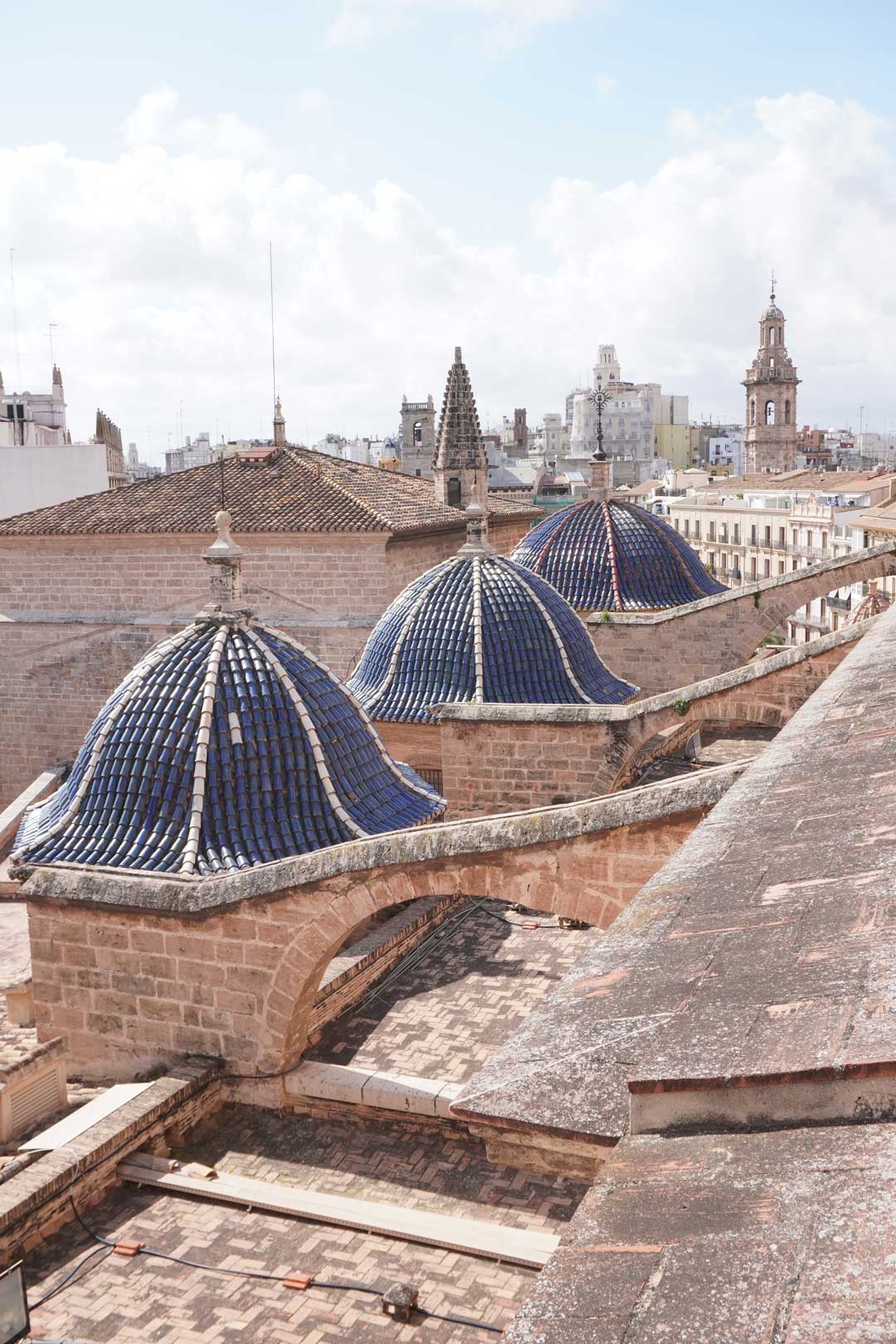
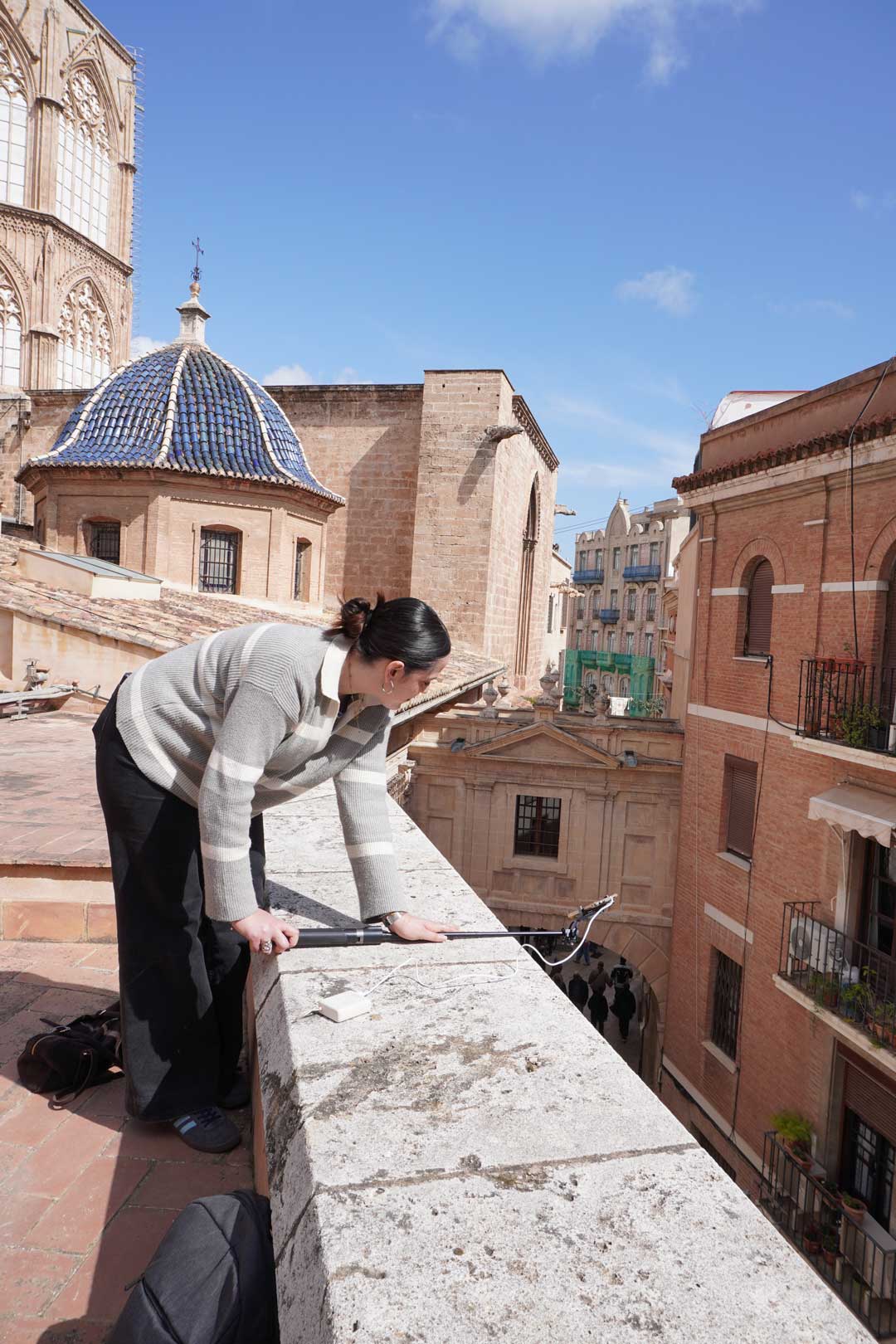
This project explores crowd dynamics around Valencia Cathedral during the Mascletà de San José through Video Behaviour Analytics (VBA), computer vision techniques and visualisation methodologies inspired by Digital Humanities approaches. Beyond measuring density, the aim is to make crowd behaviour understandable, to turn raw movement data into a story that brings visitors, managers and researchers alike to a clearer awareness of what is really happening in this heritage space, and why it matters.
The objective is to identify how pedestrian behaviour adapts to changing density conditions, how collective dynamics may generate early indicators of crowd-related risk, and how increasing visitor pressure can affect both crowd safety and the sustainable use of heritage environments.
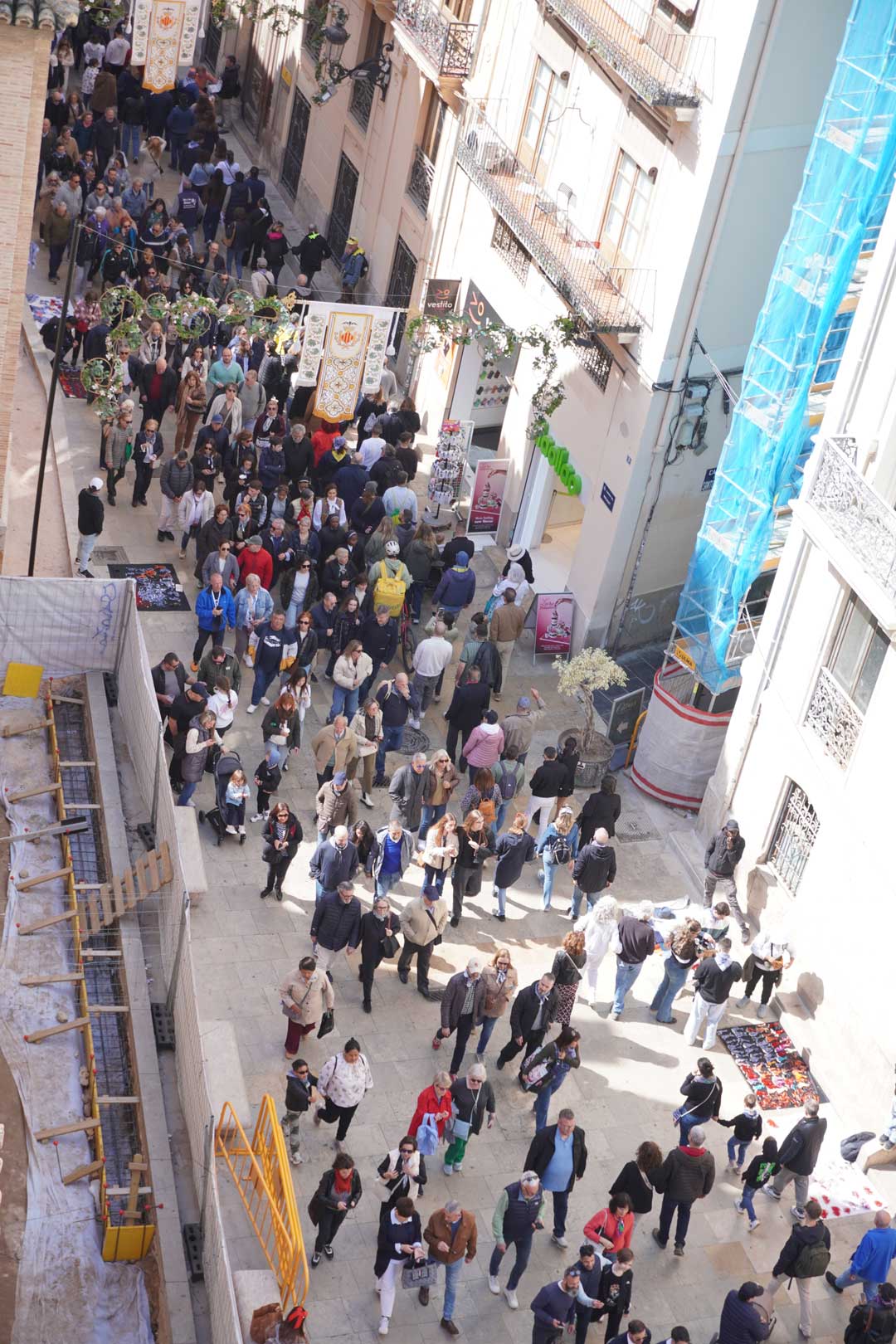
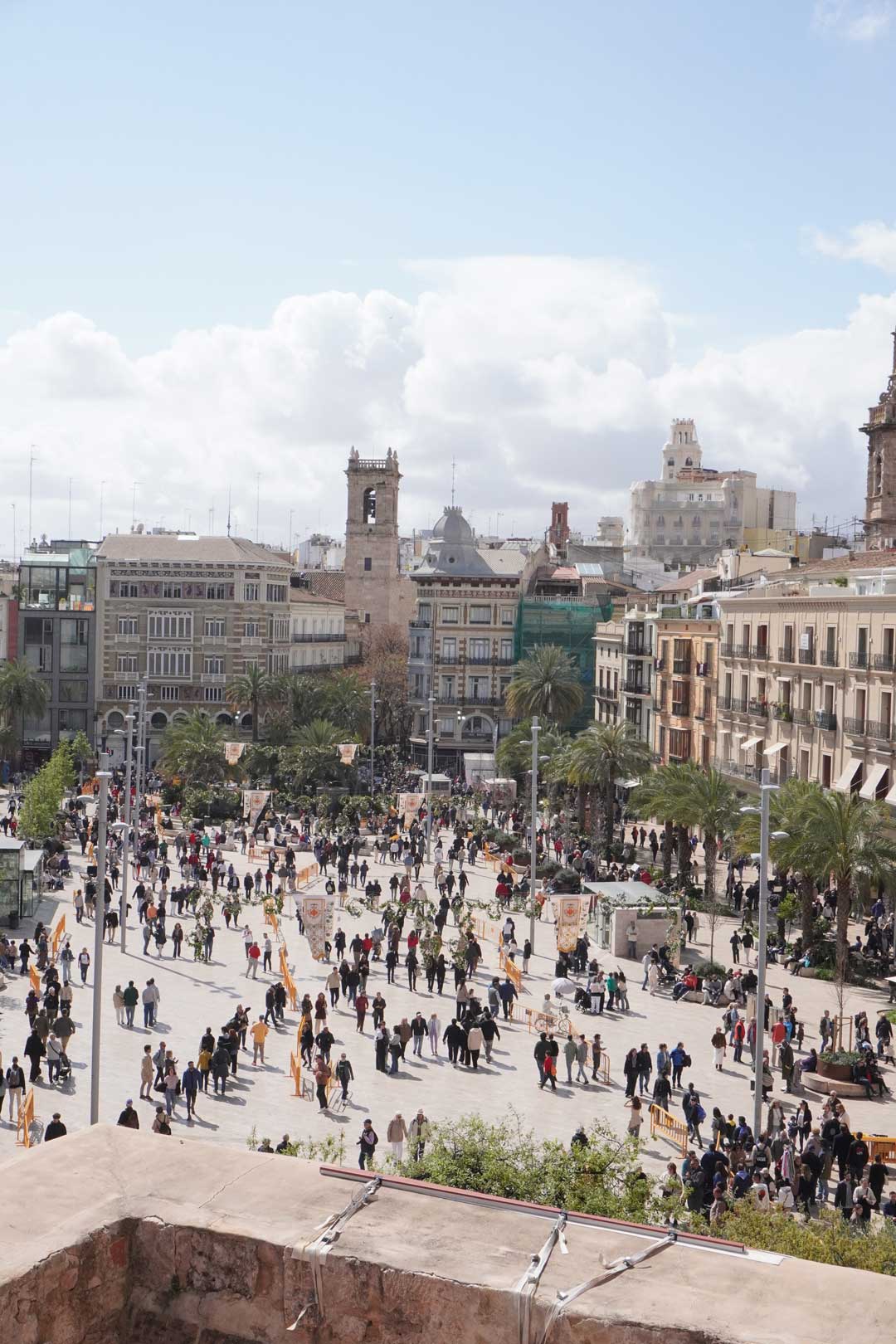
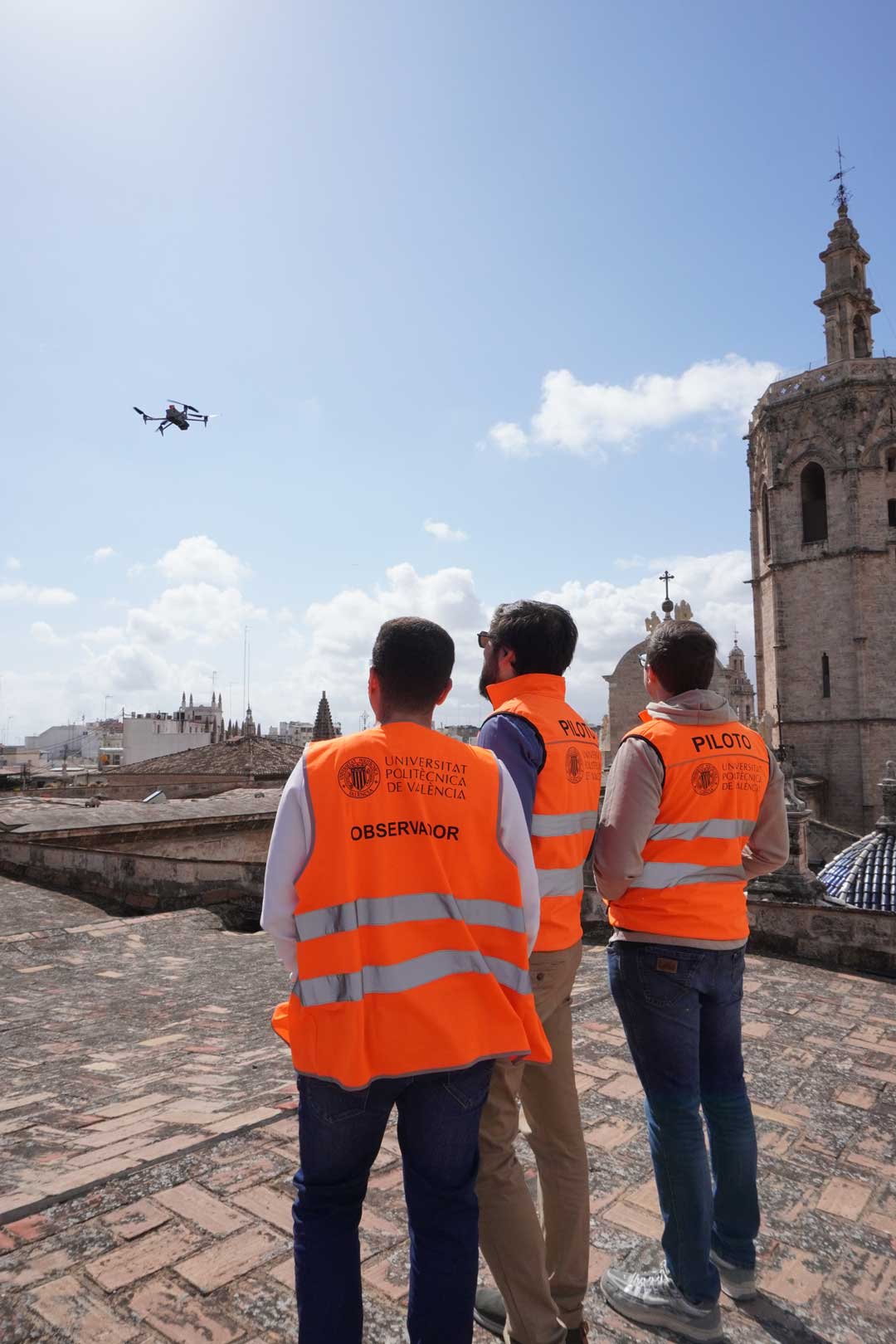
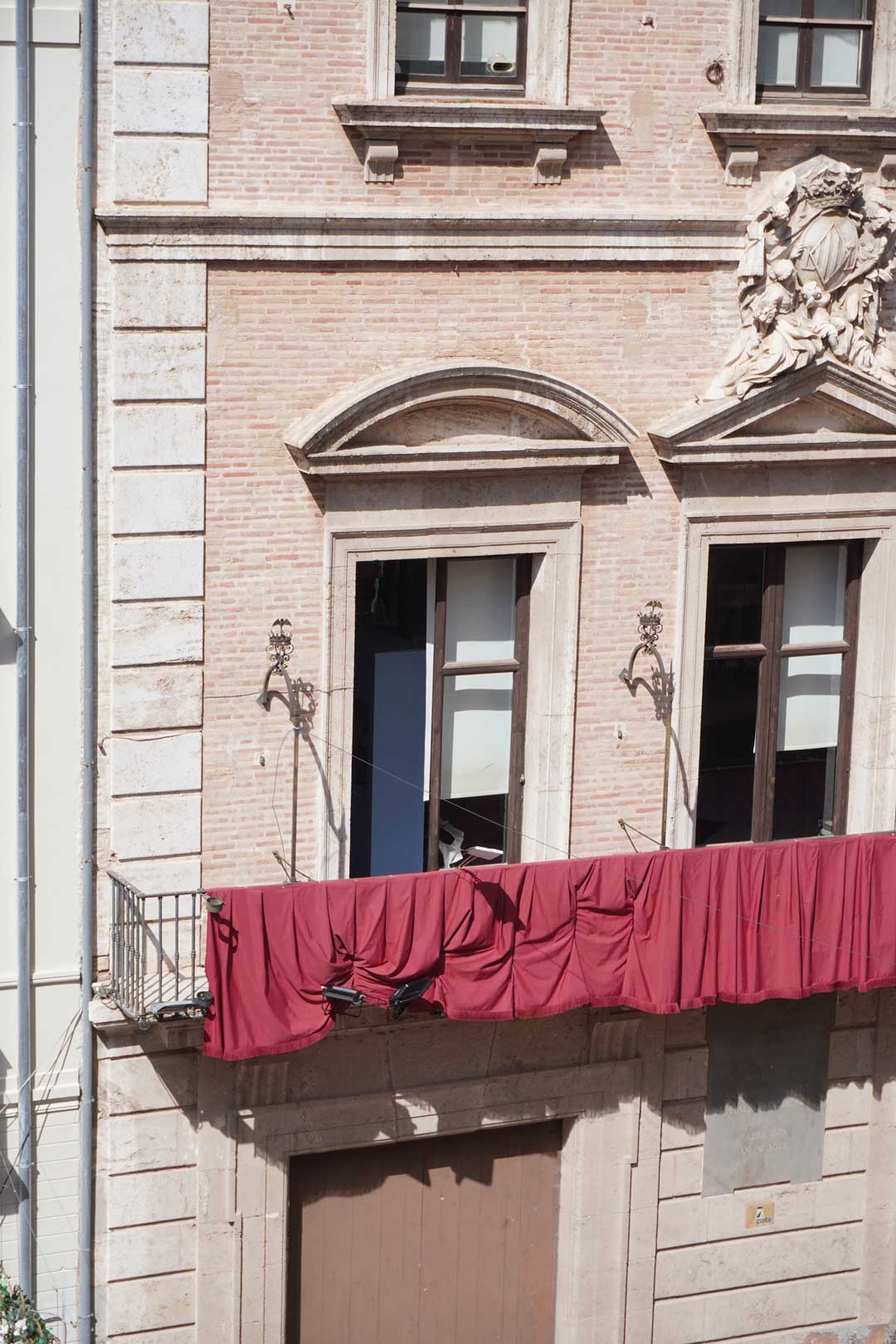
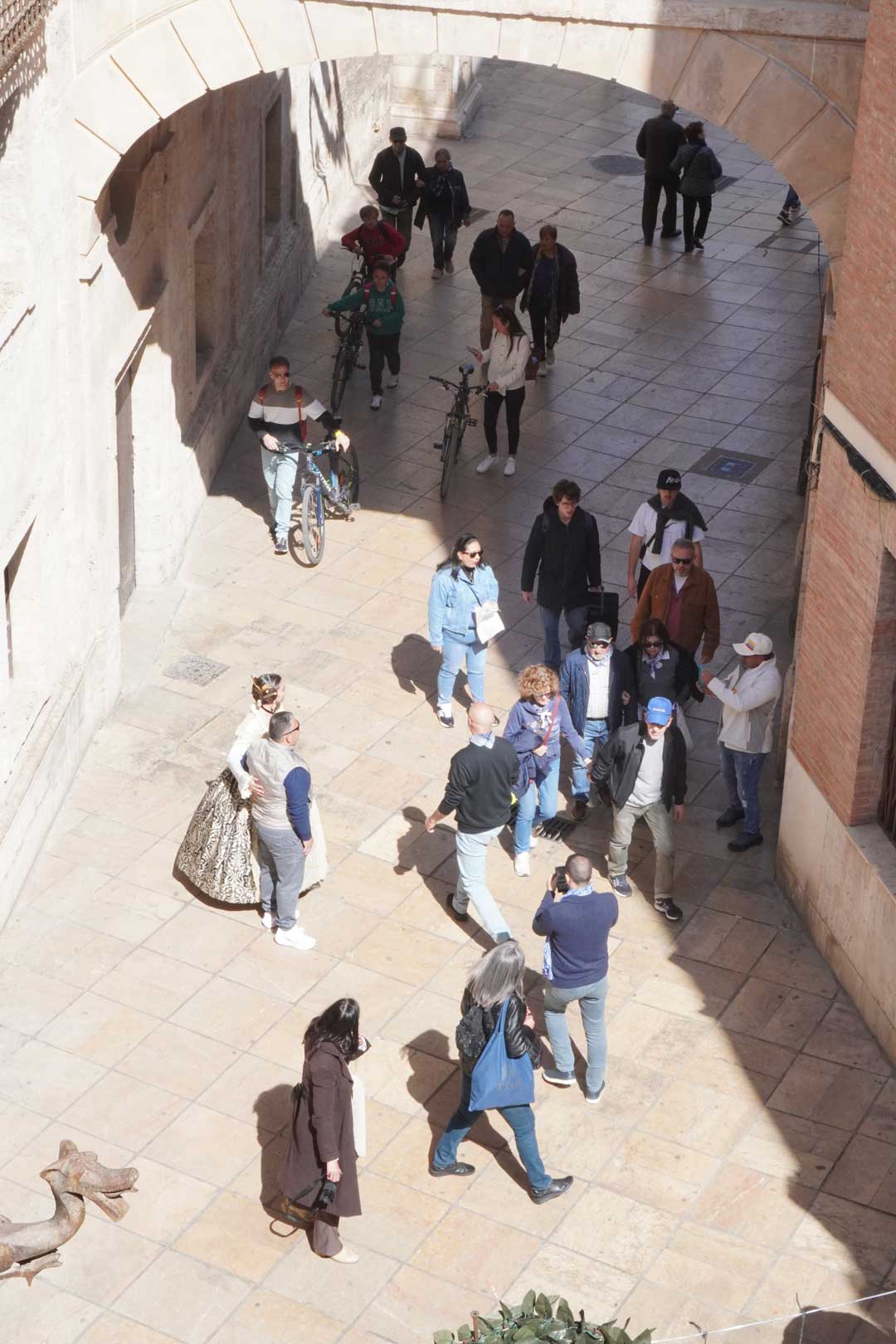
From Observation to Risk Detection
The purpose of these visualisations is to be preventive. Interpretation here is not an add-on, it is the tool that turns observation into understanding, and understanding into action.
By making collective dynamics visible, the platform seeks to support the early identification of conditions that may affect both crowd safety and the sustainable use of heritage environments.
Not all behavioural states imply risk. However, increasing density, reduced velocity, route conflicts, anomalous diagonal movements and localised stagnation may indicate the emergence of potentially hazardous crowd conditions.